
The Remodeling Process Doesn't Have to Be a Mystery
If you've never been through a home remodel before, the whole process can feel like a black box. You know you want a better kitchen, a more functional bathroom, or updated flooring — but what actually happens between signing a contract and admiring the finished result?
For many Deerfield Beach homeowners, uncertainty about the process is the biggest reason they delay a renovation. They worry about disruption, hidden surprises, or simply not knowing what questions to ask. The truth is, a well-managed remodel follows a predictable path. When you understand each phase, the entire experience becomes less stressful and far more enjoyable.
Here's a step-by-step look at what to expect when you remodel your home — and how to make the most of every stage.
Step 1: The Initial Consultation
Every remodel starts with a conversation. During an initial consultation, you'll sit down with your contractor to discuss your goals, your budget, and the scope of the project. This is the time to share inspiration photos, talk about what's bothering you about your current space, and ask about what's realistic for your home.
A good contractor will listen more than they talk during this phase. They'll ask about how you use the space, what your priorities are, and whether you have a firm timeline in mind. In Deerfield Beach, this is also when local factors come into play — like permitting requirements, HOA guidelines, and material choices that hold up well in South Florida's humid climate.
What you should bring to the table:
- A rough budget range (even if it's flexible)
- Photos or examples of styles you like
- A list of must-haves versus nice-to-haves
- Any concerns about your current space
Step 2: Design and Planning
Once you've agreed on a general direction, the design phase begins. Depending on the complexity of your project, this might involve detailed floor plans, material selections, fixture choices, and layout revisions. For kitchen and bathroom remodels, this stage is especially important because plumbing, electrical, and cabinetry decisions all need to be locked in before work starts.
This is where patience pays off. Rushing through design to get to demolition faster almost always leads to regret. Take the time to review every detail — from cabinet hardware to grout color — so there are no surprises once construction begins.
Your contractor should provide a detailed written scope of work and a clear estimate before any demolition happens. If they don't, that's a red flag.
Step 3: Permits and Pre-Construction
Many remodeling projects in Deerfield Beach require building permits, especially when structural, plumbing, or electrical work is involved. Your contractor should handle the permitting process on your behalf, including submitting plans and scheduling inspections.
During pre-construction, your contractor will also order materials, coordinate subcontractors, and establish a project schedule. This behind-the-scenes work is critical — it's what separates a smooth renovation from one plagued by delays and backorders.
What's happening behind the scenes:
- Permit applications submitted to the city
- Materials ordered and delivery dates confirmed
- Subcontractors scheduled for plumbing, electrical, and specialty work
- Your home prepared for construction (protective coverings, dust barriers, etc.)
Step 4: Demolition
This is the phase that feels the most dramatic. Old cabinets come out, tile gets torn up, and walls may come down. It can be loud, dusty, and a little unsettling — especially if you're living in the home during the remodel.
A professional crew will take steps to minimize disruption. That means sealing off work areas with plastic sheeting, protecting floors and furniture in adjacent rooms, and cleaning up at the end of each workday. If your kitchen is being remodeled, it's smart to set up a temporary cooking station in another room with a microwave, coffee maker, and basic supplies.
Demolition typically moves fast. For most kitchen or bathroom remodels, this phase takes just one to three days.
Step 5: Rough-In Work
After demolition, the focus shifts to the infrastructure behind your walls. This is called rough-in work, and it includes updating or relocating plumbing lines, electrical wiring, and sometimes HVAC ductwork. If you're changing the layout of your kitchen or bathroom, this is when those changes take shape.
Rough-in work requires inspections from the city before walls can be closed up. Your contractor will schedule these inspections and make sure everything is up to code before moving forward.
Step 6: Installation and Build-Out
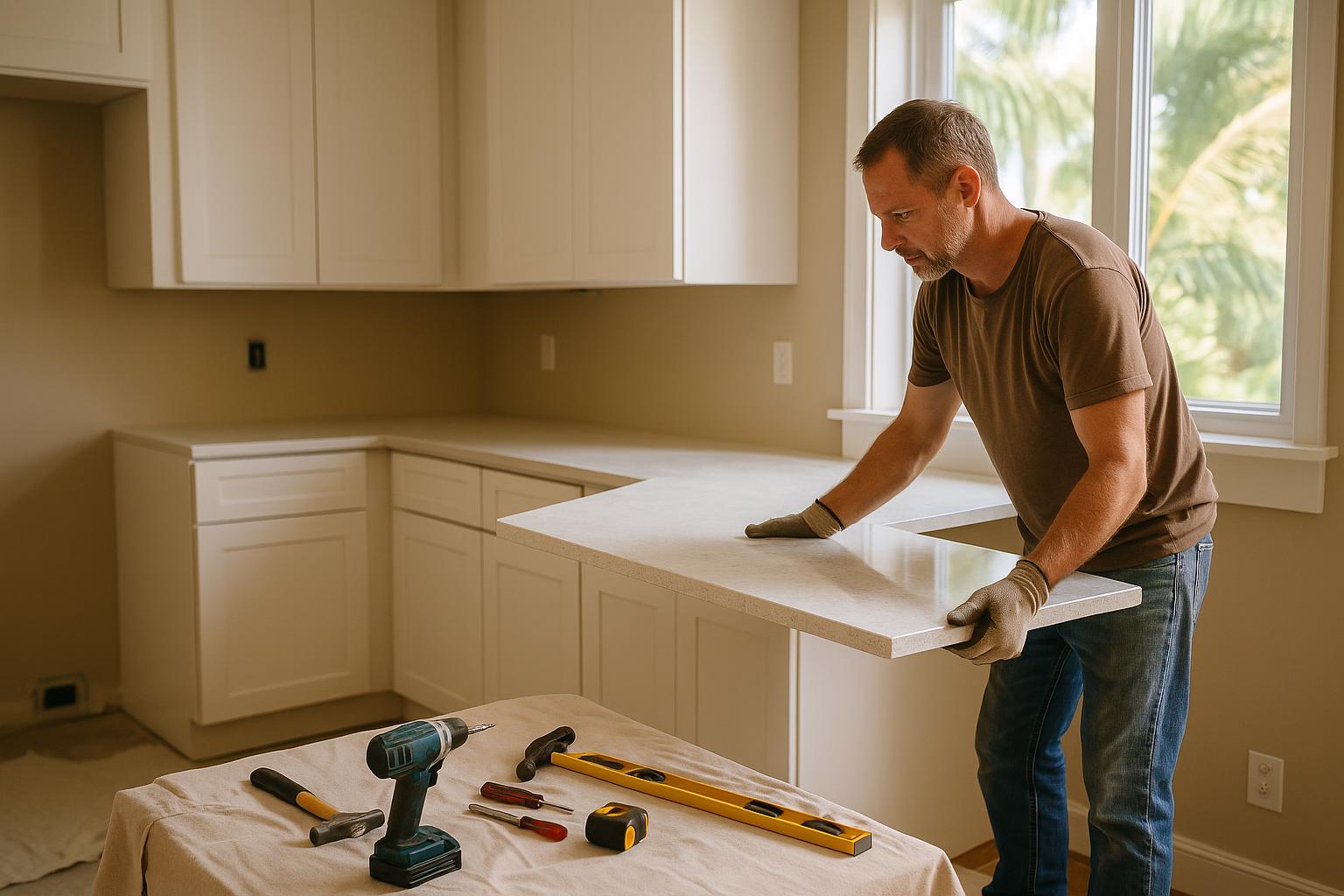
This is where the transformation really starts to show. Drywall goes up, tile gets laid, cabinets are installed, and countertops are set in place. For many homeowners, this is the most exciting phase because you can finally see your vision coming to life.
Installation typically follows a specific order to avoid rework:
- Drywall and painting
- Flooring installation
- Cabinetry and built-in storage
- Countertops
- Fixtures, hardware, and appliances
- Final trim and detail work
Each trade needs to complete their work before the next one begins, which is why scheduling and communication are so important. Delays in one area can ripple through the rest of the project.
Step 7: Final Walkthrough and Punch List
Before your contractor calls the project complete, you'll do a final walkthrough together. This is your chance to inspect every detail — open every drawer, test every faucet, check every seam. Any small issues that need attention go on a punch list, which your contractor will address before closing out the project.
Don't rush this step. A reputable remodeling company wants you to be completely satisfied, and they'll welcome your feedback during the walkthrough. This is also when final inspections are completed and permits are closed with the city.
Things to check during your walkthrough:
- Cabinet doors align and close properly
- Tile grout lines are consistent and clean
- Paint touch-ups are complete with no missed spots
- All fixtures and appliances function correctly
- Flooring transitions are smooth and secure
Step 8: Enjoying Your New Space
Once the punch list is complete and you've signed off on the work, the space is yours to enjoy. A quality remodel should feel like a natural extension of your home — not just new surfaces, but a space that works better for your daily life.
Many Deerfield Beach homeowners tell us that the best part isn't just how the finished room looks, but how it changes the way they use their home. A better kitchen layout makes cooking enjoyable again. A reimagined bathroom turns a rushed morning routine into something that actually feels relaxing.
Knowledge Makes the Process Better
Remodeling your home is a significant investment of time, money, and trust. When you understand what's happening at each stage, you can make better decisions, ask smarter questions, and feel genuinely confident throughout the process. The best contractor-client relationships are built on transparency — and that starts with knowing what to expect before the first hammer swings.
If you're considering a remodel in Deerfield Beach or the surrounding areas, Element General Contracting is here to walk you through every step. From the first conversation to the final walkthrough, we believe clear communication and quality craftsmanship go hand in hand.